Blog
The Chechar Region in Khenchela: Nature, Beekeeping, and Exceptional Honey

Chechar, a Land Where Nature and Honey Thrive
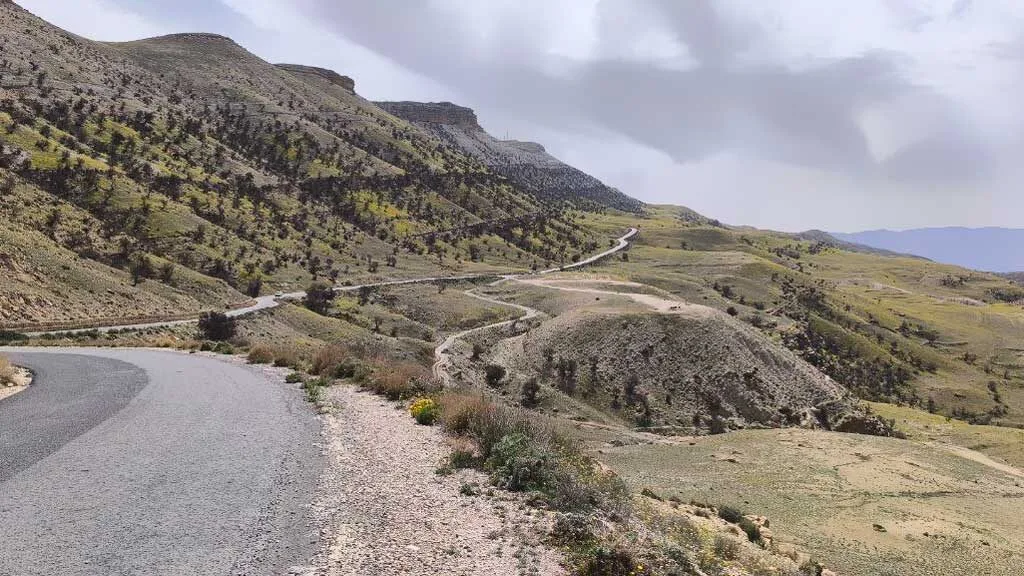
Nestled in the southern part of Khenchela province in Algeria, the Chechar region is a rural land known for its deep connection with nature. Located at around 1,200 meters above sea level in the foothills of the Aurès Mountains, this agro-pastoral area offers wild landscapes where people live in harmony with their environment. The rugged terrain, though sometimes harsh, hosts rich vegetation suited to the local semi-arid climate: steppes dotted with grasses and hardy shrubs ideal for traditional livestock farming and beekeeping. Indeed, Chechar is known for raising "the best sheep in Algeria and swarms of bees that produce the best honey in the world," a phrase full of local pride. This sets the scene for a region where nature and tradition go hand in hand, and where honey holds a special place.
Landscapes and Biodiversity Favorable to Beekeeping
Chechar's landscape is dominated by the high steppe plains of the Nemenchas Mountains. These mostly deforested plains are covered with grasses like alfa (esparto) on uncultivated lands. Trees are rare in the open steppe, but valleys and gorges shelter small oases where tamarisks and wild jujube trees (sidr) grow—remnants of a once more Mediterranean vegetation. This pastoral vegetation plays a crucial role by offering bees a wide range of wildflowers to forage. Winter and spring rains bring a colorful carpet of blooming flowers—daisies, small yellow crucifers, rockroses, euphorbias, and wild thyme.
This natural bouquet gives local beekeeping a distinct advantage. Bees in Chechar forage from these aromatic, drought-resistant steppe plants. Thymus algeriensis (wild thyme), crested rosemary, white wormwood, and other highland herbs compose their menu. The floristic biodiversity of the region, though modest in appearance, is tightly linked to the quality of honey produced. The richer the floral landscape, the more complex the honey in flavor and nutrition. Despite the tough conditions, Chechar's steppe holds exceptional floral diversity for bees—reflected in the strength of colonies and the renown of their honey. One could say the terroir itself—with hot, dry summers and cold winters—shapes the character of the local honey: a true “terroir product,” reflecting an authentic environment.
Varied Honeys with Remarkable Properties
Thanks to this singular flora, Chechar honey boasts a unique organoleptic profile. It is mostly multifloral steppe honey, blending nectar from various wild plants. Its color ranges from amber-gold to light brown depending on the season and dominant blooms. The aroma is intense, evoking thyme, wild lavender, or rosemary, with lightly woody and spicy notes. Algeria produces a wide range of honeys—thyme, lavender, rosemary, orange blossom—and those from the eastern plains like Chechar stand out for their aromatic richness.
Therapeutically, Chechar honey is also valued. Like most high-quality Algerian honeys, it is 100% natural and pure, harvested in pesticide-free environments. Rich in enzymes and antioxidants, this artisanal honey has antibacterial and antiseptic properties. For example, thyme honey—common in the region—is known to aid wound healing and soothe sore throats thanks to its strong antiseptic effects. Regular consumption helps boost the immune system and serves as a traditional remedy for coughs and respiratory issues, especially during colder months.
Scientific analyses have confirmed the excellence of Chechar honey. In collaboration with Austria, a sample was tested by a specialized institute and showed outstanding results: a very low water content (around 16%) and particularly low acidity and glucose levels. These physicochemical indicators point to a mature, well-preserved honey (low humidity means better shelf life and less fermentation risk). In other words, this honey is of exceptional purity, meeting the strictest standards, earning it international recognition. This quality is also evident in its taste: low acidity, smooth texture, and moderate sweetness—all signs of a naturally produced honey, untouched by additives or blending.
Local Beekeeping: Traditional Know-how and Community Wealth
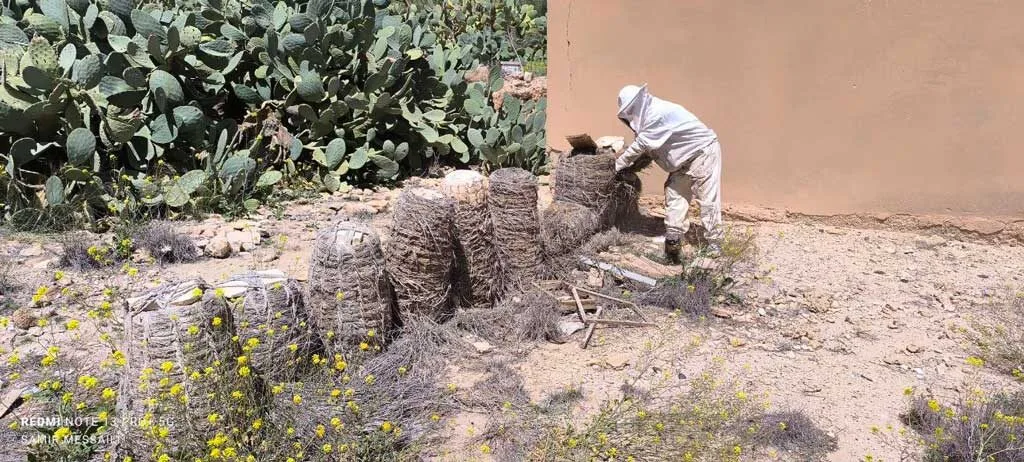
Beekeeping in Chechar is more than an agricultural activity—it's a way of life passed down through generations. Many local beekeepers are sons or grandsons of beekeepers, inheriting techniques to raise bees with respect for nature. They often use gentle, sustainable methods, favoring extensive farming and close hive monitoring over maximum productivity. In Algeria, many producers follow traditional beekeeping practices that maintain ecological balance—and Chechar is a perfect example: hives are placed in preserved areas far from pollution, and bees forage freely from wildflowers.
By choosing Chechar honey, one supports not just the local economy but also the preservation of ancestral knowledge and environmentally friendly practices. The beekeeping cycle shapes community life throughout the seasons. After winter, bees take advantage of early blooms to restart their activity. Spring marks the expansion season: hives grow, queens lay intensively, and foragers bring back pollen and nectar. The main honey flow happens between April and June. The main harvest occurs late spring or early summer once honeycombs are capped with wax. In good years, a second harvest may occur in late summer thanks to late blooms.
Harvesting remains semi-artisanal: frames are uncapped by hand, and the honey is extracted using manual or electric centrifuges. The honey is then coarsely filtered and jarred—without pasteurization or additives—preserving its full nutritional qualities.
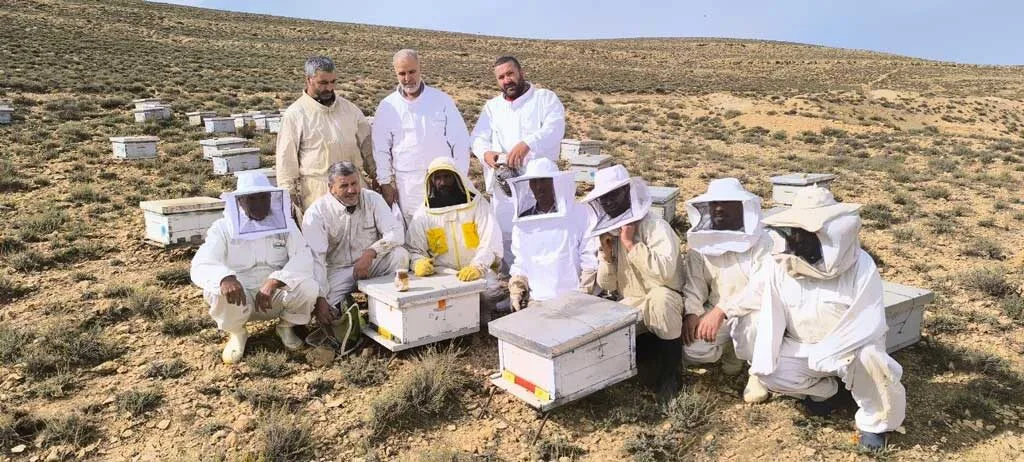
Beekeeping also plays an important economic and social role. Many rural families earn additional income from selling honey and other hive products (wax, propolis, royal jelly). Chechar honey has become a flagship local product, often found in markets across the Khenchela region and beyond. Its reputation as "desert honey" or "steppe honey" draws connoisseurs seeking authentic flavors. In recent years, the local beekeeping sector has become more organized: apiculturists form cooperatives to share best practices and improve marketing. Honey fairs and agricultural festivals raise awareness and educate the public about the honey’s benefits.
Culturally, honey holds a special place in regional traditions. It is used in folk remedies (mixed with herbal teas to treat colds or help recovery) and in local cuisine: enjoyed at breakfast with traditional bread, included in pastries, or offered to guests as a sign of welcome. Beekeeping itself fosters social bonds—neighbors often help each other during hive transhumance or honey harvest, reinforcing a spirit of solidarity. So, in Chechar, apiculture is more than just income: it’s a living heritage that the community takes pride in preserving.
A Heritage to Protect and a Honey to Celebrate
Exploring Chechar reveals how closely nature and local culture are intertwined. The unique environment of this steppe region—its vast landscapes and resilient flora—has given birth to exceptional honey, the result of patient work by bees and humans alike. Beekeeping here is not merely an economic pursuit but a treasured tradition passed from parent to child, shaping community identity and pride.
This awareness has inspired efforts to protect and promote local honey. Recently, Chechar honey obtained a collective quality mark, becoming one of the first Algerian terroir products to receive such official recognition. This label guarantees authenticity and quality to consumers while preventing misuse of the name. The collective branding strategy also helps local producers access markets in Algeria and abroad—opening new opportunities for the sector.
By valuing Chechar honey, we support an entire ecosystem: small beekeepers keeping traditions alive, a biodiverse landscape protected by sustainable practices, and a natural product with countless benefits. For the public, discovering this honey is an invitation to explore a hidden gem of Algeria’s high plateaus—where human history and nature blend in perfect harmony.
In short, the Chechar region and its beekeeping represent an inspiring model of local development through the valorization of a terroir product. Between mountains and steppes, bees and beekeepers write a shared story—one of respect, patience, and knowledge transmission. And each jar of Chechar honey tells a part of that story, reminding us why it’s essential to preserve rural traditions and the biodiversity that nurtures them, so the sweet taste of this unique honey can endure for generations to come.