Well-coordinated teamwork speaks About Us
We love what we do
We cherish our heritage, we craft with passion.
Chechar Honey: born from nature, carried by tradition.
Origin and Significance
Name: عسل ششار / Miel de Chechar / Chechar Honey.
Linguistic origin: Chechar comes from the Chaoui language (Chech = beware, Ar = lion → “beware of the lion”).
Reputation: linked to the unique terroir of the Khenchela region, where local melliferous plants give the honey its nutritional and therapeutic qualities.
Geographical Area
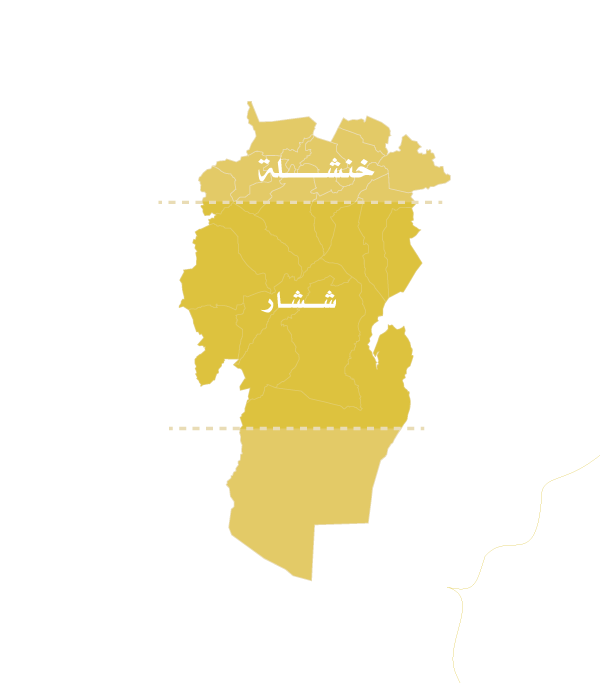
Production zone: exclusively in the wilaya of Khenchela, in the Némamchas mountains.

Main communes: Chechar, Kheirane, Oualadja, Jellal, Ouled-Rechache (south), Babar (north), Tamza (south), N’Sigha (south).
Climate: transitional between semi-arid Mediterranean (north) and arid (south), with significant yearly variations.
Vegetation: steppic dominance, few forests, but high diversity of natural melliferous plants (tanngout, artemisia, seddra, etc.).
Beekeeping Practices
Intra-terroir transhumance required:
Winter → hives in southern Chechar.
Summer → hives in the north.
Transhumance outside the GI zone is prohibited.
Bees: Apis mellifera intermissa and Apis mellifera sahariensis.
Feeding allowed only in winter or to stimulate laying, but must stop 15 days before nectar flow.
Product Characteristics
Appearance: dense honey, naturally crystallizing.
Taste: sweet with specific aromas and a slightly pungent note.
Color: varies depending on season and flowering period.
Harvests:
First in June (specific nectar flow).
Second from mid-July to mid-August (multifloral honey without dominant pollen).